Suppressors Products
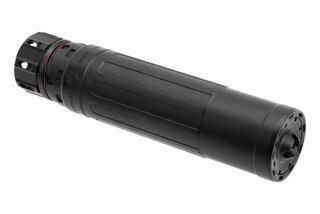
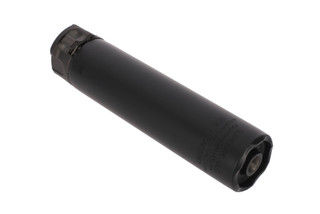
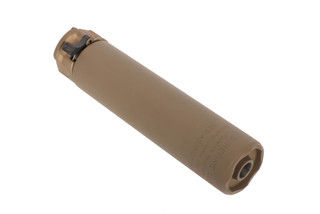
Suppressor Frequently Asked Questions
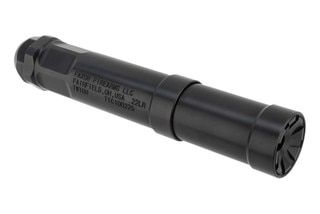
Yes, suppressors need some maintenance after firing, just like the rest of your firearm. Rimfire suppressors are usually user-serviceable because .22 ammo leaves heavy lead and carbon fouling, so take them apart and clean the baffles often. Many centerfire suppressors are sealed and largely self-cleaned from high-pressure gas. For those, wipe the exterior, clear carbon from the mount threads, and follow the maker's instructions. Avoid harsh solvents on aluminum parts and never alter a suppressor yourself. Heat also shortens a suppressor's life, so read our guide to suppressor heat management.
To buy a suppressor you generally must be at least 21, live in a state that allows civilian ownership, and be legally able to own a firearm. You must also pass the ATF background check that is part of the ATF Form 4 Approval process. Some states and dealers add their own requirements. Always check the current laws in your state before you order a suppressor.
The total cost of a suppressor is the price of the suppressor itself, plus the federal NFA tax stamp and any transfer or storage fee your dealer charges. As of January 1st, 2026, the tax stamp for suppressors and other NFA items such as Short-Barrel Rifles (SBRs) has been reduced to $0. As far as additional costs go, that ultimately depends on the suppressor you purchase, as well as how you intend to mount it to your firearm.
For many rifles, you will need either a mount that’s compatible with your suppressor’s quick-detach (QD) system, a threaded barrel for direct mounting, or a thread adapter if your firearm does not already have one. For handguns, you may also need to purchase a Nielsen device, more commonly known as a suppressor piston, to make it compatible with your handgun’s cyclic action—this is only needed for handguns with a tilting barrel action.
Be sure to budget for such parts when comparing suppressors, so there are no surprises at the dealer.
There are several suppressors that can be considered a good entry level option, with the price of each suppressor often reflecting the materials used to create it, and any design specializations.
Suppressors are typically made from either Stainless Steel, Inconel, and Titanium, though there are some exceptions. Of the three, stainless steel tends to be the most affordable, with Inconel and Titanium being more expensive due to respective qualities: high-heat resilience and lightweight.
Some suppressors have specialized features, such as low back pressure designs. Rather than being closed at the bore, low back pressure suppressors have vents that allow more gas to escape out the front of the firearm, rather than pushing through your firearm’s gas system. Such suppressors are typically used on rifles to reduce their backpressure for a more pleasant shooting experience.
If you’re interested in a budget-friendly suppressor, we recommend checking out suppressors from brands like Otter Creek Labs, Yankee Hill Machine, Rugged Suppressors, and Sonicore.
Start by narrowing your options to the caliber your firearm is chambered in, and make sure the suppressor is rated for it. For added versatility on other firearms, you can opt for a suppressor rated for a larger caliber, as they pair well with smaller ones, though they won’t suppress them as well. Next, match the suppressor to the host. Rimfire pistols and rifles use lighter rimfire suppressors that come apart for cleaning, while centerfire rifles need a suppressor rated for that pressure and barrel length. Last, check the thread pitch on your barrel to ensure that the mount fits.
Suppressors mount two main ways: direct thread or with QD mounts. Direct thread suppressor threads directly onto a threaded barrel. A QD suppressor mounts and locks onto a specialized muzzle device, such as a muzzle brake or flash hider, that stays on the barrel, so you can move one suppressor between several hosts. Either way, the thread pitch or QD design must match your suppressor of choice. Common pitches are 1/2x28 for .22LR and 5.56 NATO, and 5/8x24 for .30 caliber cartridges like .308 Winchester and .300 Blackout. You can opt for a thread adapter if you would prefer to use a direct thread suppressor across multiple hosts. Just be sure to check the suppressor’s alignment once mounted, as thread adapters can introduce tolerance stacking and fitment issues if improperly installed.
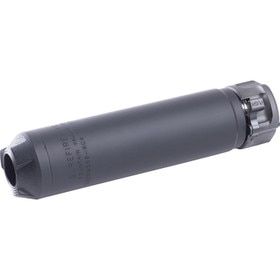
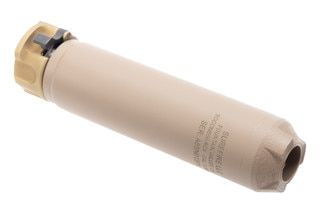
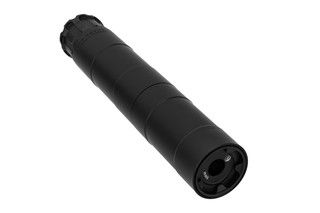
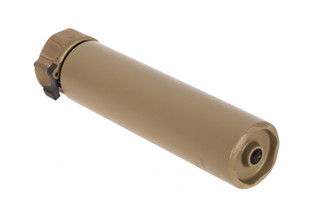
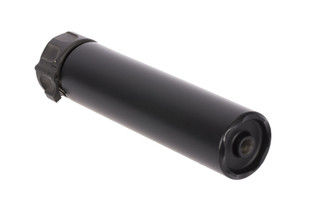
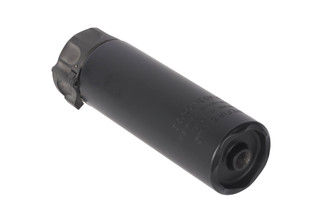
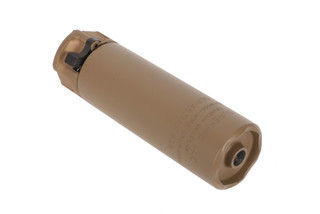
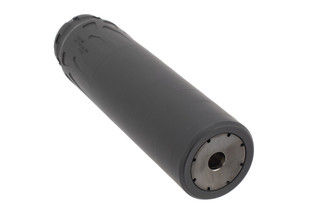
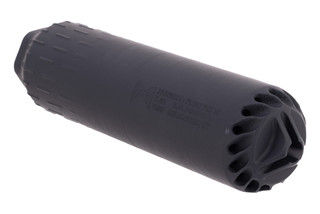
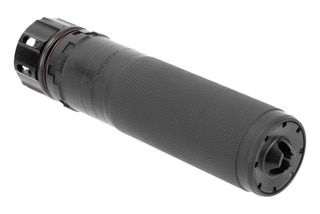
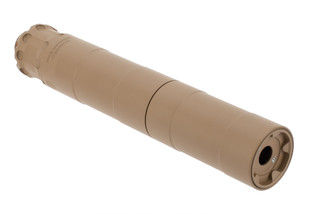
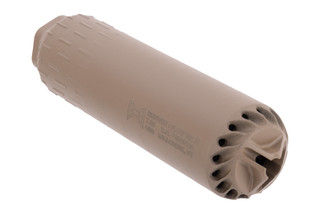
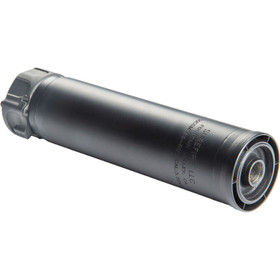
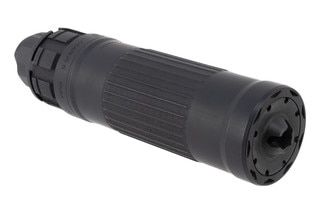
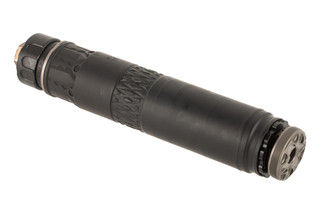
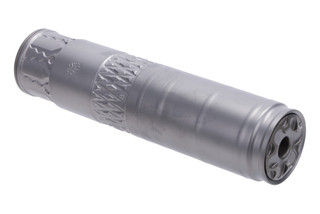
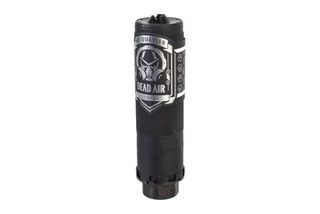
A suppressor is a specialized accessory that’s designed to reduce the sound-signature and muzzle flash a firearm creates after firing. It attaches to the muzzle of the firearm and provides space for the rapidly expanding gases to slow and cool down before exiting the suppressor. The result is a quieter sound-signature, less muzzle flash, and often less felt recoil.
Contrary to what many believe, a suppressor does not make a gun silent. Even with a suppressor, discharging a firearm is still loud, as the bullet can still break the sound barrier. The term "silencer" is the legal term and a common synonym for suppressor. Over the years, suppressor designs have changed a lot. If you’re interested to see how, see how suppressor technology has evolved here.That said, state laws still exist, and many states still require NFA items like suppressors to be registered with the ATF before a civilian can own one. Buying one involves an ATF application and background check. Some states ban suppressors from civilian ownership, while others may add their own permits or other limitations regarding their ownership. Such laws change, so be sure to check the current federal laws, as well as your own state and local laws before purchasing a suppressor.
Primary Arms cannot provide legal advice. For recent federal changes, please read our overview of the ATF's new rules for SBRs and suppressors.
Suppressors are legal to own in most U.S. states, but not all. As of October 9th, 2026, the ATF has made the registration of NFA (National Firearms Act) items, such as suppressors, short-barreled rifles (SBRs), and short-barreled shotguns (SBSs) voluntary. Federally, such items are still regulated under the National Firearms Act (NFA), but depending on the state you live in, they can be purchased with a standard 4473.
That said, state laws still exist, and many states still require NFA items like suppressors to be registered with the ATF before a civilian can own one. Buying one involves an ATF application and background check. Some states ban suppressors from civilian ownership, while others may add their own permits or other limitations regarding their ownership. Such laws change, so be sure to check the current federal laws, as well as your own state and local laws before purchasing a suppressor.
Primary Arms cannot provide legal advice. For recent federal changes, please read our overview of the ATF's new rules for SBRs and suppressors.
Purchasing a suppressor from Primary Arms is similar to purchasing a firearm online, albeit with an added federal approval step. Simply place your order and choose a licensed dealer (an FFL with an NFA license) to receive it. Once your suppressor arrives at your chosen FFL dealer, you will complete an ATF Form 4 and submit your fingerprints, either on physical paperwork and a set of FD-258 Fingerprint Cards, or through a digital kiosk. Once the ATF approves the application, you return to the dealer and take your suppressor home.